Oil
painting on canvas is considered, by many, to be
the fine art medium par extraordinaire. Famous oil
paintings for saleought to have been
designed, accordin to their symbolic message, that they speak,
to the unconscious; not just to give pleasure to the viewer.
If you are lookin, for famous original
art for sale, how are you goin to persuade a fine art gallery to part
with that, which they already have? The video, on your above left,
shows one method of doin it.
This section is largely about investment, with a bit of art history and theory. Thus you will find the tidbit of lore, if you are a scholar or researcher. However, I wish to shift the goals of this website toward investment strategies and lore.
Hence, if you are searchin for famous
original paintings, wherein to invest your money, then you have loads,
of money, to swing, or to heft, about. You are not lookin for the
oil painting art print, to hang on your wall, or on the wall of your
bequested.
You, instead, want to be able to compare the present to the future climate, with respect to the value and price of particular famous pieces of fine art for sale.
Some famous oil paintings are contemporary art, some are antique. It doesn't matter so much about that, but, to you, it matters, what changes will the climate, in art-price-appraisal, undergo, in the future. It depends.
Whereon depends it? On knowin who will be on top. Before too many years will have passed, the Biblical prophecies, for the destruction of Rome and of Freemasonry, will be fulfilled. Then a whole different class of folks will be on top.
To know when that will happen, is the key. If it won't happen for 10 or more years, then the current trends, and parameters, continue to have the same foretellin-worth. If it is to happen in 2012, then you want to buy and sell fast, by current values, and invest long-term in a different set of values, a different kind of artist.
If you run, or if you exploit, an art gallery, or an art auction, then must you appraise, by the principles, whereof I told to you, above.
It is hard, for today's folks, to know, what is the mark, made upon the unknowin part, of our mind, by the sight, of a piece, of abstract art.
It is equally hard, with realistic art; however, realistic art often has identifiable conscious symbols, that can be interpreted, either by one's own wisdom, or by the help of books and writins. In the case, of abstract art, the symbolism can be totally undefined, and hard, to be recognized, except by those, who have a knack for it.
If you have ever seen art, that has subliminal images, hidden in it, then you probably know that, whereat I am gettin.
k) art for sale (7), for sale (7), modern art (13), abstract art (10), fine art (9), oil painting (8), art print (5), abstract painting (6), original art (5), wall art (6), contemporary art (5), art (59), paint (21), print (11), frame
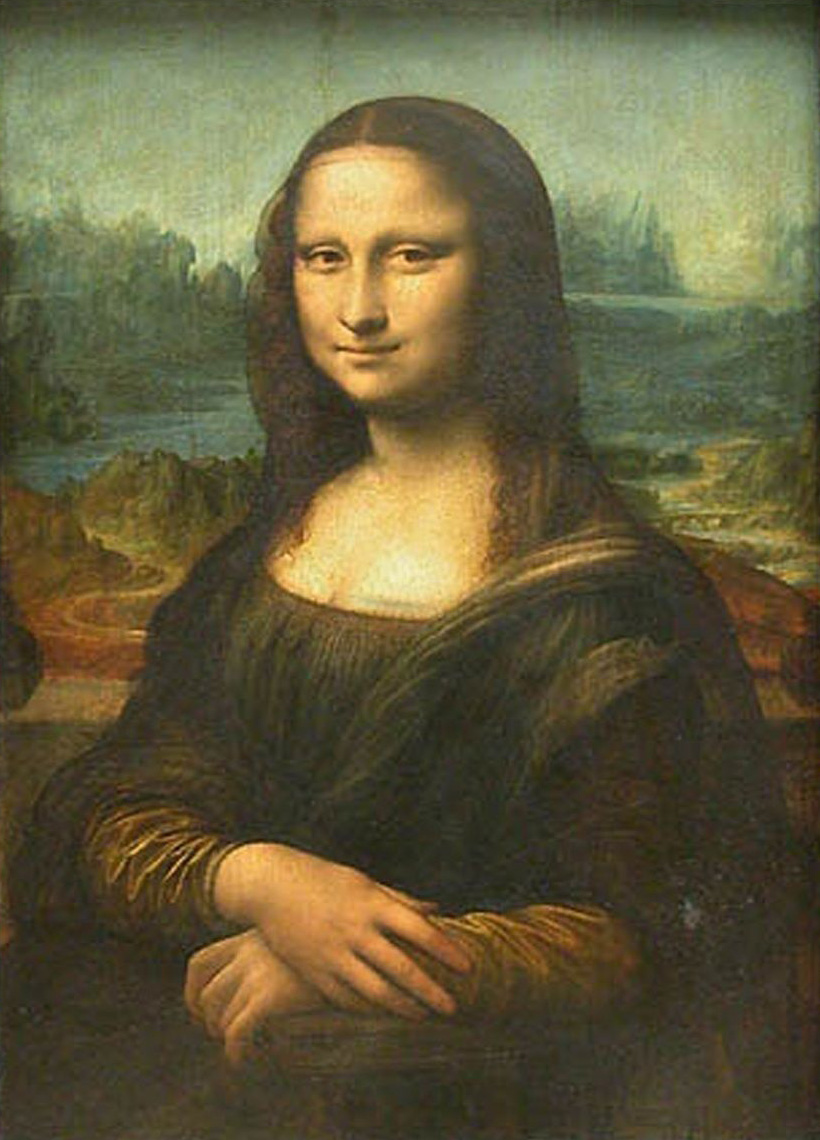
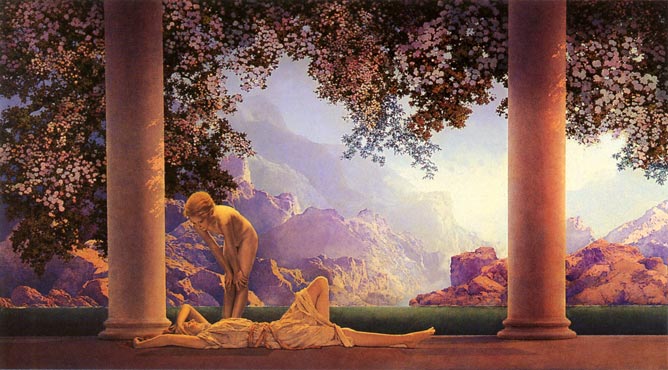
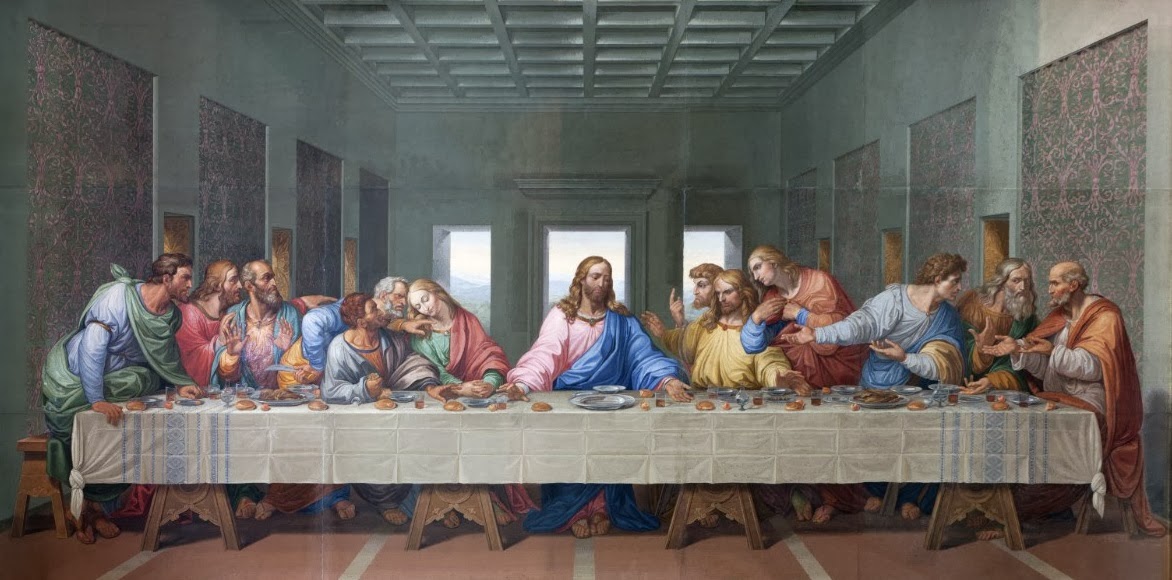
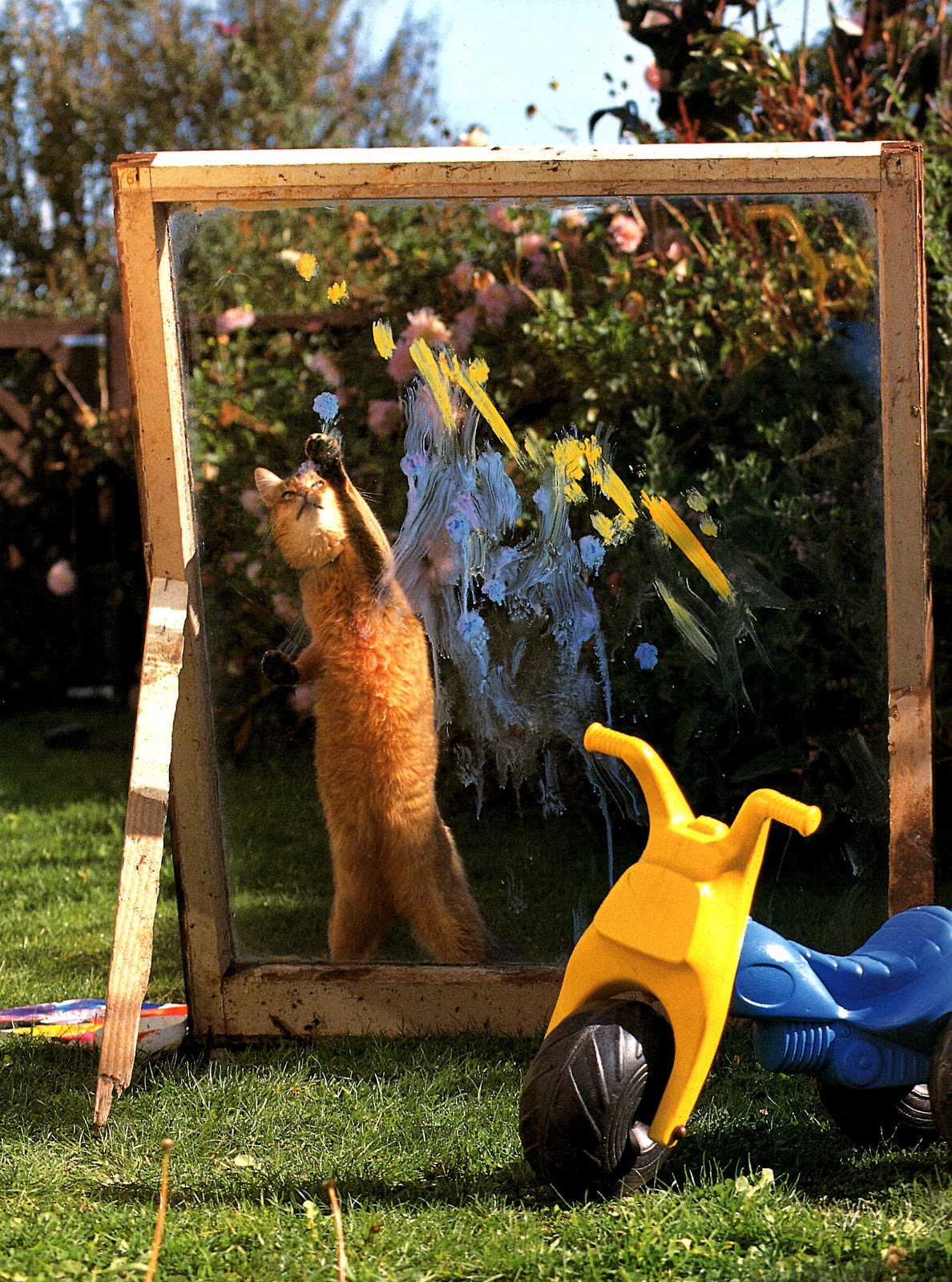
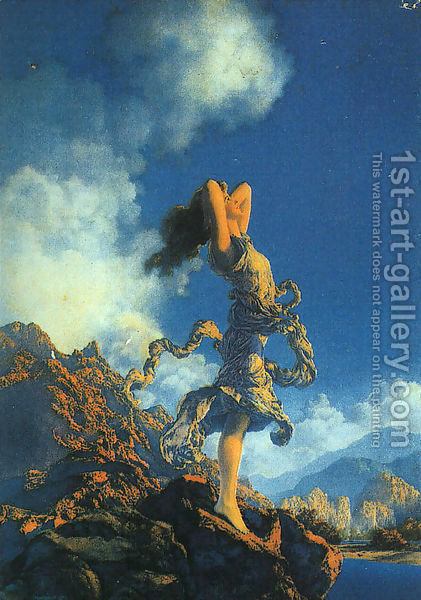
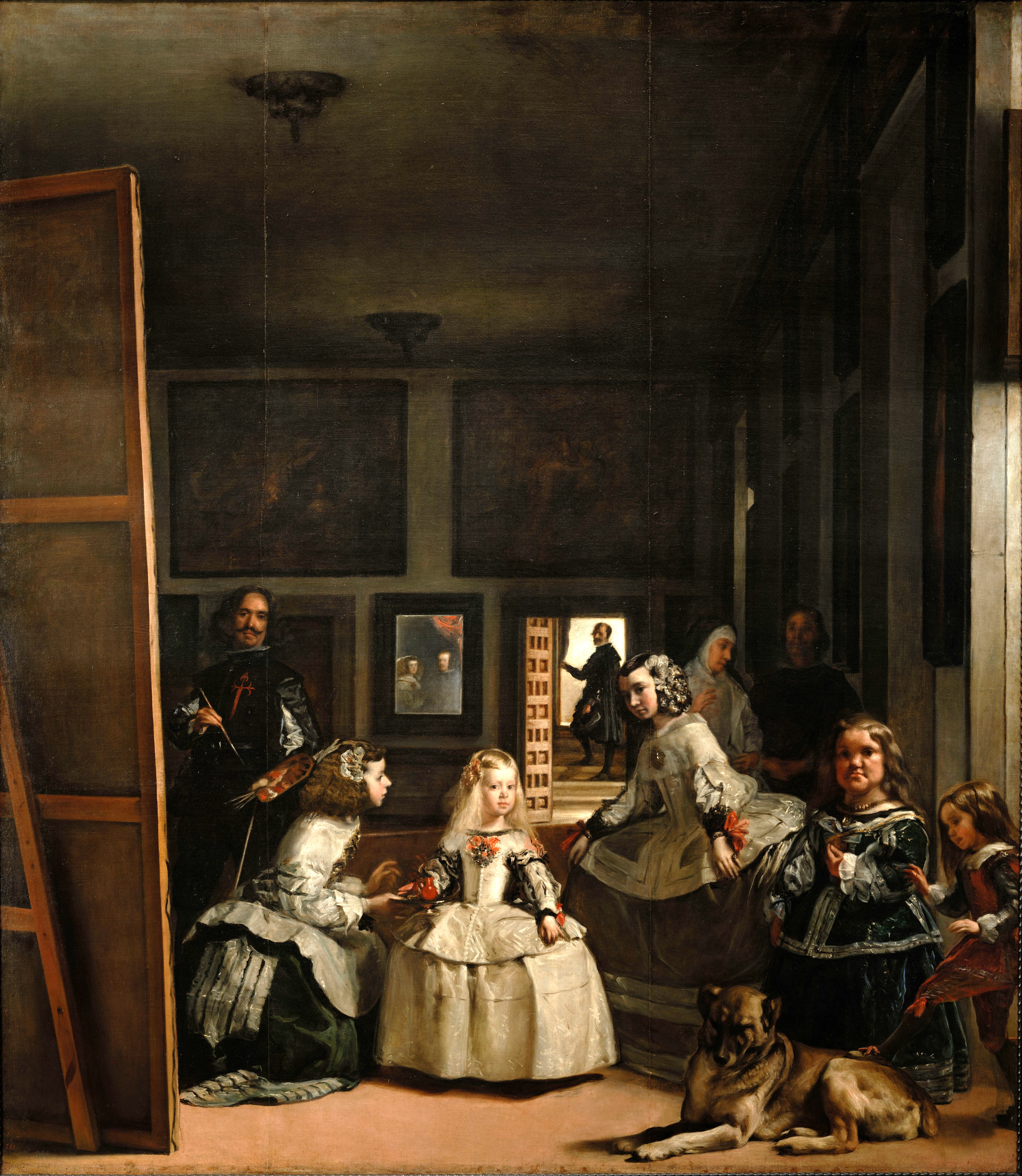
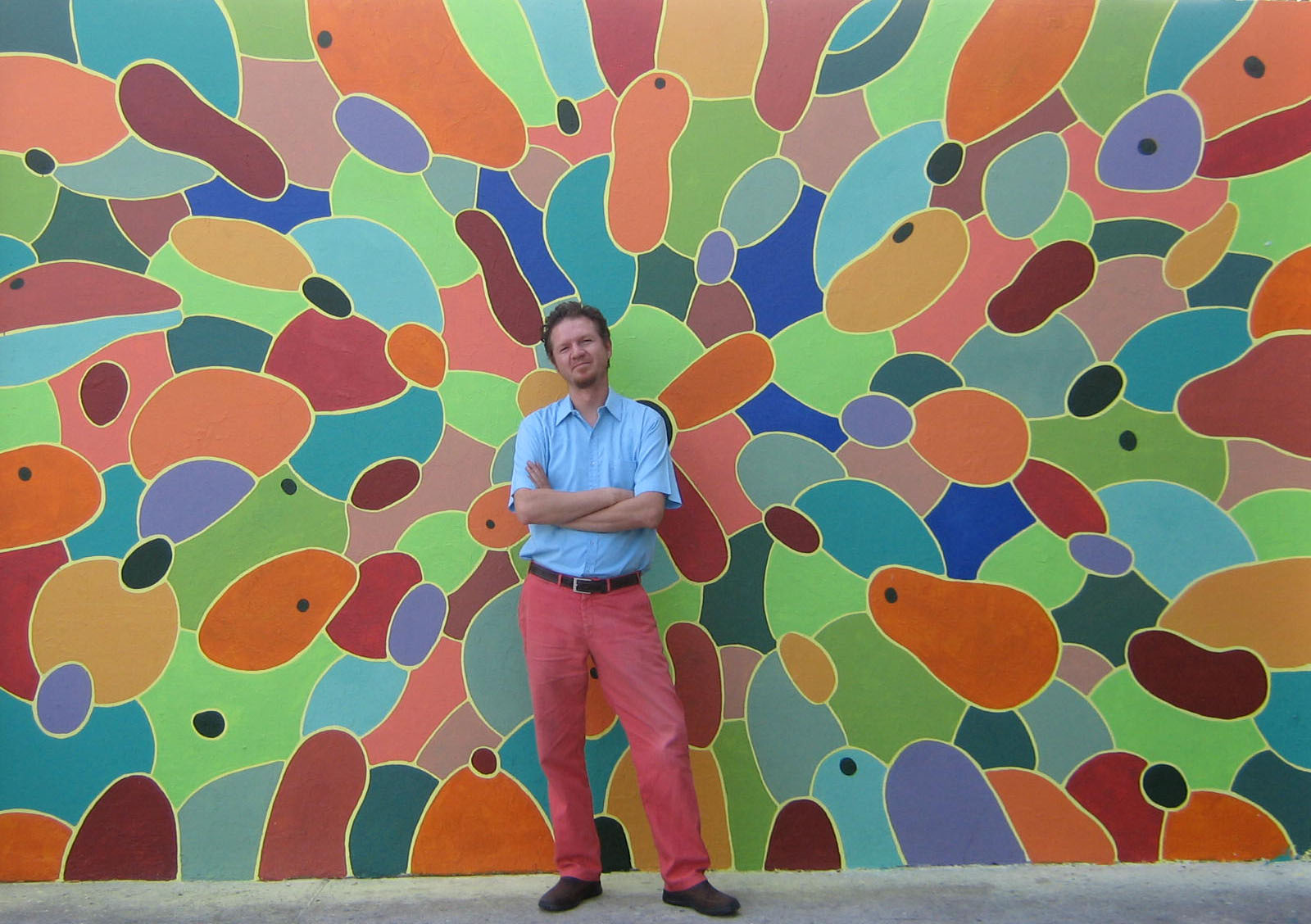
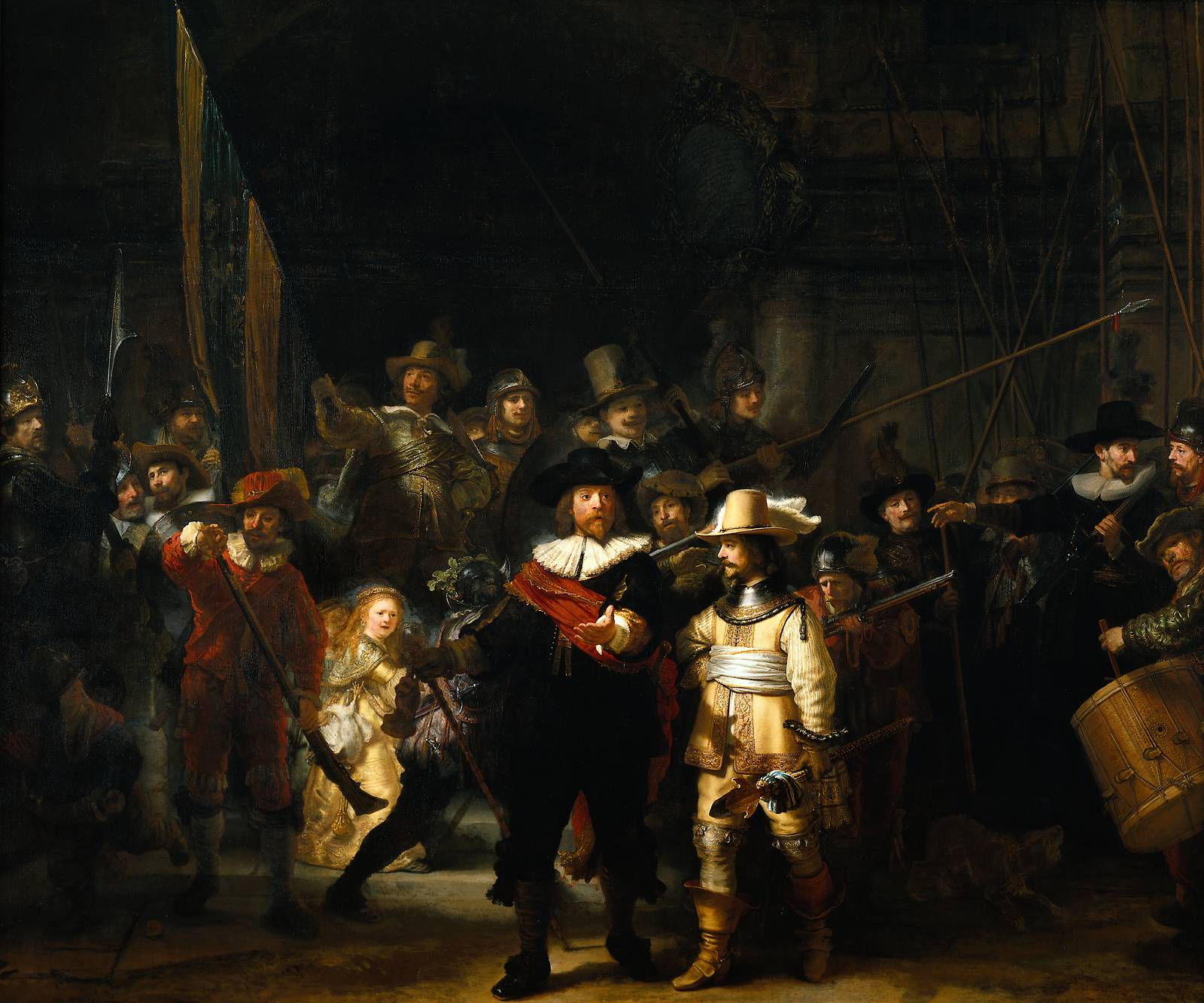
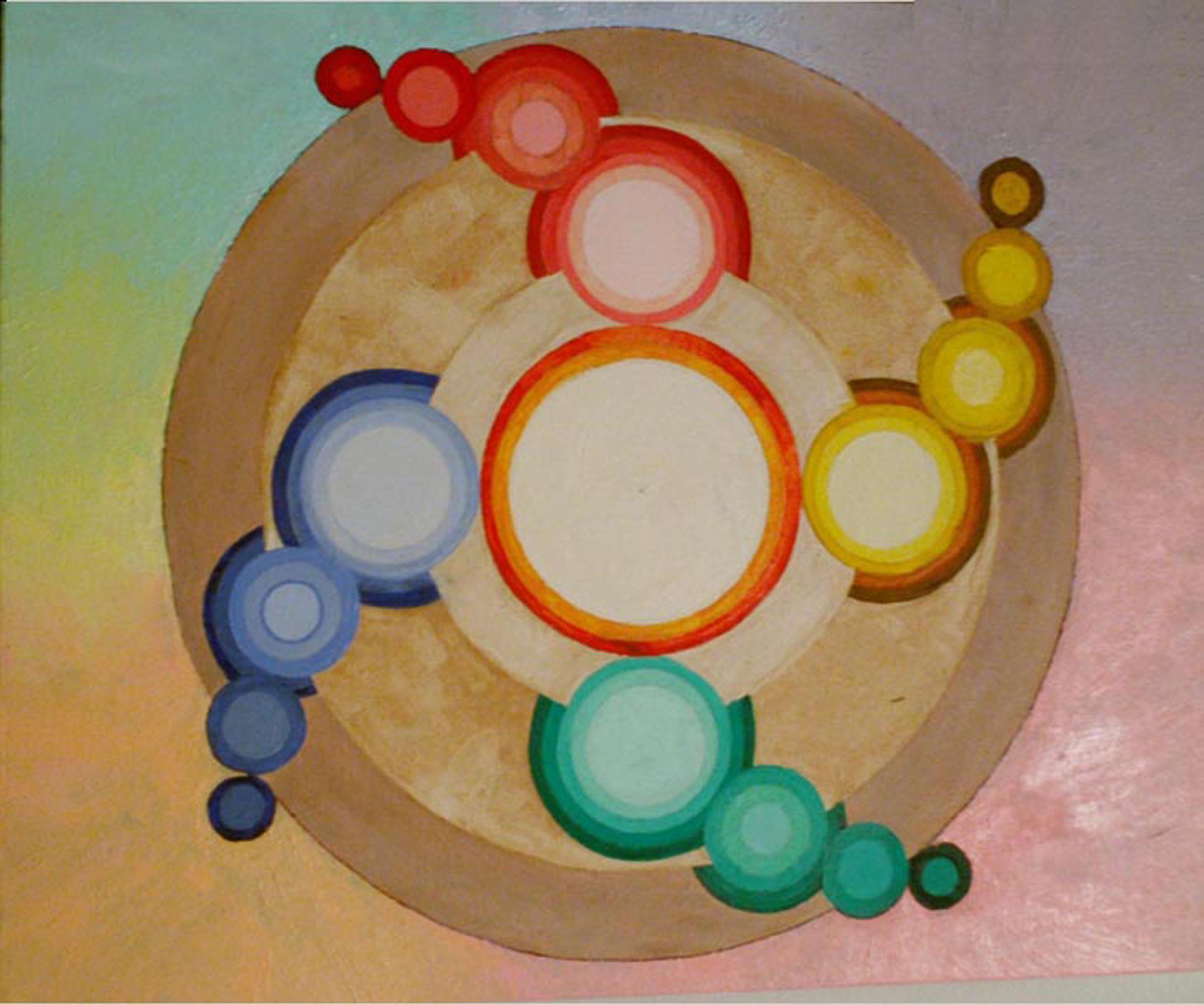
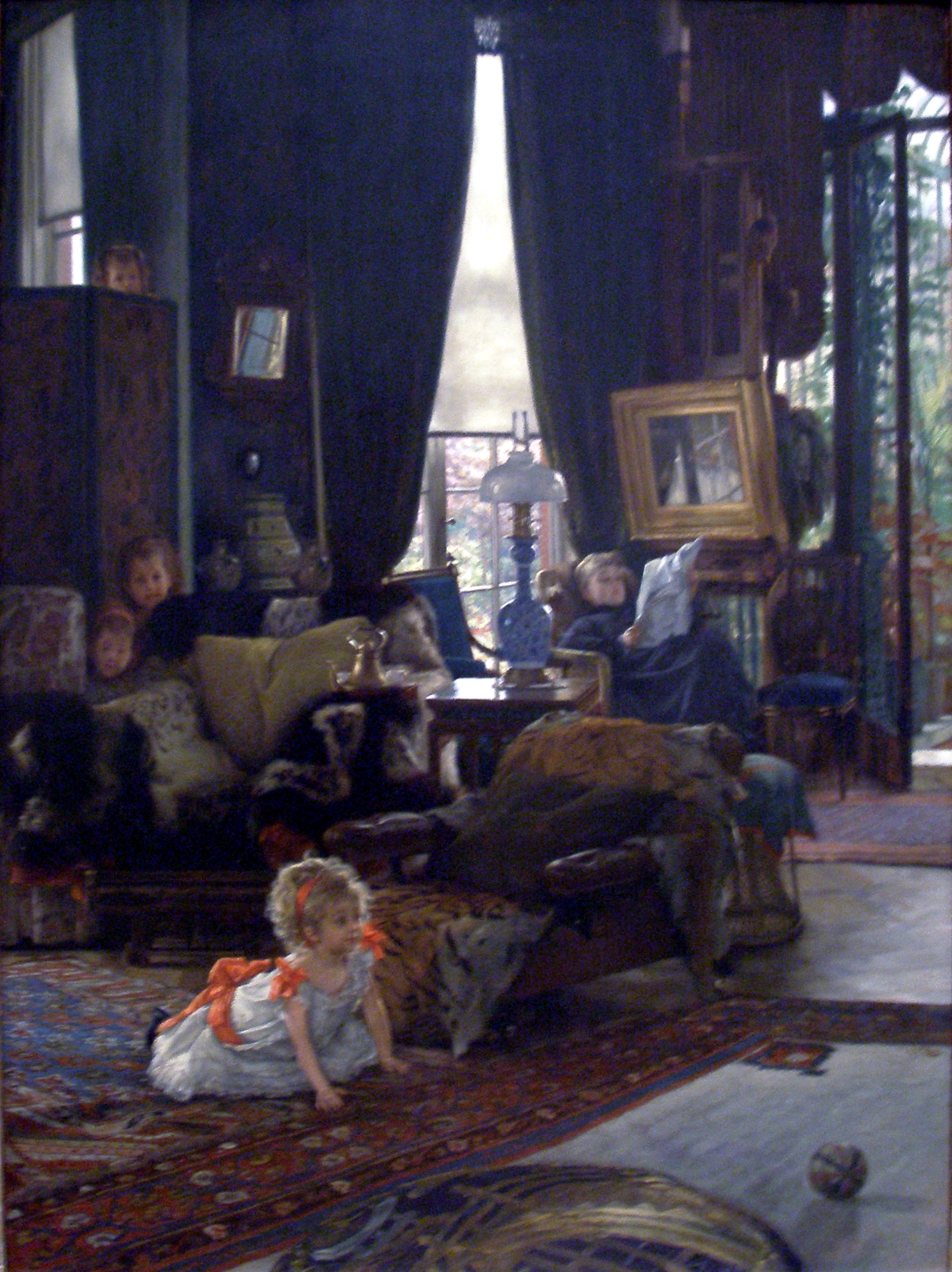
Click on the image, and you will see a bigger image, as
if by majic! Above, left to right:
I must foretell, that the bent, of buyers, of modern art for sale, will be changin -- is changin. That art, which has been deemed worthy, til now, will be deemed unworthy. Many, of the less noticed artworks, will come to prominence, to supplant their more famous competitors, not far into the hereafter.
From the beginnin, of the modern period, til now, there have been 2 schools of taste. Each school has given more worth to those fine art works, that most closely show the taste, of the particular school.
Til now, original art, for sale, has bein either subversive or beautiful.
The subversive art has given pleasure only to the most twisted and unnatural of personalities.
In the beginnin, these were mostly abstract painting, but now many abstract
art arrangements, for sale, that have been called "sculpture".
The beautiful art has given pleasure to the ordinary man.
Those, who have, of late, had the most money, and the most leverage, to use, in the makin of fame, have chosen to make, for the most part, the subversive artworks, to be made famous, and, thus, to become more valuable.
A great example, of the use of money and leverage, to raise the worth of contemporary art, is the recent sale, at auction, of Andy Warhol's everyday wall art print, showin 200 $1 bills.
Although the work is not unpleasin,
nevertheless it is ordinary, and the worth of it, in natural times, would
not reach to the $40 million, that it was bought for.
There is, comin in, a 3rd school of taste, the rational school, that considers the effect of subliminal symbolism. As this school becomes bigger, and bigger, the artworks of the other 2 schools -- subversive and beautiful, will lose value.
Some, of the
extant works, of the beautiful school of taste, already are acceptable
to the taste, of the rational subliminal school. Those works will continue
to rise in value, with the passage of time.
If you want to learn the principles,
whereby rational subliminal art is judged, go to the Jung
Mandala page.
Click on the image, and you will see a bigger image, as if by majic! Above, left to right:
Gerdts, a respected and prolific art historian at CUNY, has produced not
a coffee-table book but the coffee-table itself.
His three volumes, adding
up to more than 1200 large pages, are roughly comparable in reach, if
not structure, to the standard work by George C. Groce and David H. Wallace,
New York Historical Society's Dictionary of Artists in America 1564-
1860 (Yale Univ. Pr., 1957),
...although Gerdts disregards the few early
artists and carries forward to cover those active by 1920. These volumes
are not dictionaries, but rather geographically arranged, more selective,
narratives.
(The author specifically excludes artists chiefly active
in New York, Boston, and Philadelphia.)
There are very brief introductions
to regions and illuminating summaries about art institutions and
art activities embedded in the various state-by-state essays; coverage
varies according to material, from four pages (Nevada) to 120 (northern
and southern
California).
Gerdts provides no overarching conclusions but rather
vast amounts of distilled information on even the smallest art centers.
The extensive bibliographies, also geographically arranged, will be an
aid to further research.
Some 900 of the 1000 artists discussed are illustrated.
Typography and layout are generous and helpful; the plates are
generally good; a few typographical errors appear in names and dates.
Most
of the artists are of primarily local interest, and libraries will
probably find the volume covering their region heavily used while the other
two languish. At this price, recommended for strong art reference collections
and local history collections in centers with art traditions.
- Jack Perry Brown, Ryerson & Burnham Libs., Art
Inst. of Chicago
With over 800 artists represented by over 1,000 illustrations,
the three volumes of Art Across America chronicle the development of painting
in cities and towns from their beginnings to 1920. This monumental study
is a landmark of scholarship, a revelation of the creative spirit that
has flourished throughout this country.
Three volumes, slipcased. Over 1,000
illustrations.
1. For those of the "realist" persuasion, "Claudio
Bravo" is
a must-have library addition. The quality and reproduction is outstanding.
Bravo's range as to subject matter, composition, and execution in various
media is nothing short of genius.
Clearly, Bravo is a modern master and
the compilation of his work and life has been done masterfully in this
book.
2. Claudio Bravo is hands down the best artist
there is still living, period. Fluff piece? not when merit is the order
of the day. Practically self- taught Bravo paints with obvious skill and
attention.
He
explains his approach, in the text, and within the still lifes, and figurative
work, whether in oil, pastel, chalk, or pencil, he commands his instinct
to pursue his vision.
Don't like it? Tough, Bravo isn't ashamed, nor repentent
about his skill as a realist, quasi- or otherwise. I saw the man's work
at Duke in '88 and made my decision there and then to be an artist.
I've
never looked back, and his book is a confirmation
of ideals badly missed in contemporary art, and I wish there were more copies so I could buy
one. Now old boy is in the 60's U.S. take notice, this is one true artist
not likely to come this way again, dig it. Adam Narcross
3. This lavishly illustrated book is a visual
delight,
including the inordinately beautiful drawings seldom seen in addition to
the paintings of figures, of still lifes, of color and light and intensity
as few others can imitate.
As with all representational artists Bravo has
his champions and his detractors, some viewers finding his work from
lewd to boring while others stand in awe of the painters amazing gifts
of incorporating light and mood where few other artists tread.
The late novelist Paul Bowles delivers an odd compliment
in the introduction to this sumptuously illustrated survey of the neoclassical
painter Claudio Bravo. Bravo (b. 1936), he says, sure knows how to manage
his Moroccan servants.
Yet Bowles's comment may be more relevant than it
first appears, for Bravo's talent for control is evident in every painting
reproduced here; no one who opens this book will doubt that he has a
dazzling technical mastery of his materials.
And if a handful of self-consciously
thematic paintings (stiffly posed models and vaguely symbolic objects)
and an essay written in impenetrable art talk by critic Calvo Serraller
fail to definitely establish Bravo as a Serious Artist," this detracts
little from the book's real attraction: the glorious still lifes.
Bravo's
canvases from the early 1960s through the recent past depict flowers,
curtains, vegetables, statuettes and a variety of opulent housewares
arranged just so—all with a fineness of detail that
flirts with photorealism while retaining a warm, painterly feel.
True,
after the 20th or so perfect composition in a rich Mediterranean
light, some viewers might begin to find Bravo's paintings a bit
repetitive. The subject matter and the basic look of his paintings—his
hypnotically clear midday interiors—have
been much the same throughout his career.
But regardless of Bravo's
ultimate place in art history, his many fans will find this definitive
collection to be a treasure trove and a delight. (Nov.)
Critical opinion of this Chilean-born realist ranges from "vulgar" to "compelling." Those
in the latter camp will be pleased with the more than 200 crisp and luminous
color reproductions of Bravo's sensuous landscapes, still lifes, and proto-Renaissance
figure paintings rendered with startlingly deft technical virtuosity.
Unfortunately,
finding a particular illustration by title is problematic, as the index of
works is not alphabetically arranged.
The introductory essays by literary
notables Bowles and Vargas Llosa are also disappointing, curiously set
in large type, and do more to add to the artist's mystique as an ascetic
living in Tangiers than to explain his place in 20th-century art history.
A
more substantive and authoritative text is provided by Edward J. Sullivan
in an earlier, much slimmer monograph (Claudio Bravo, 1985. o.p.).
Nevertheless,
the many gorgeous plates, together with a good bibliography, biographical
data, and listings of exhibitions and collections, make this a worthy
purchase for libraries with an interest in 20th-century or Latin American
art.?Heidi Martin Winston, NYPL
Willsdon has notably enriched both the history and
the canon of British art with this breakthrough study. Albion
Willsdon's
work of exposition is of lasting value ... Even the specialist in
this period will find on every page new and significant information. Albion
The
sheer physical difficulty of photographing these works, often in poor
condition and in buildings which have undergone conversion, cannot be
underestimated
... the sudden availability of this visual archive
will surely have a major impact on the ways in which British art
from the 1840s to the 1930s is understood and taught. Albion
Clare
Willsdon's massive and superbly illustrated book provides an essential
first stage in the process of overturning art history's partial and grudging
assessment of the subject.
The work of two decades, it is an extraordinary
achievement of primary research, both documentary and object-based. Albion
As
befits a history rather than a critical study, each scheme gets its
due attention, and some - like that in the Royal Exchange, begun
in 1892 but stretching to 1924 - are detailed in this book for the
first time ...
In each section, the best murals are thoughtfully
examined, with footnotes revealing the depth of the author's trawl through
many unusual archives. Apollo Magazine
This
magnificent and lavishly illustrated book is the culmination of twenty
years' research, and joins such valuable pioneering studies as Benedict
Read's Victorian Sculpture and Colin Cunningham's Victorian and Edwardian
Town Halls. Apollo Magazine
Remarkable
achievement based on careful and detailed research that has been
intelligently distilled and presented in a beautifully illustrated and
unique volume. Dorothy
Rowe, The Art Book
Continuing in the tradition
of an excellent series, this book makes a major contribution
to the study of British art ... densely
argued, pervasively illustrated, vigorous, wide-questing scholarship
that informs this landmark study of a hitherto neglected subject. Burlington
Magazine
This book comes not a minute too soon. The
importance of what remains of a once neglected art form, now being rescued
and restored in many instances, may yet be appreciated at a level close
to the scale of its ambitions. Charlotte
Gere, The Art Newspaper
This fine volume in the Clarendon
Studies in the History of the Art series successfully puts
mural painting on the map of British art
history. Art & Christianity
Enquiry Bulletin
The text is most elegantly
phrased and vivid in its description of works;
and the complex issues of politics, patronage,
style, technique, and meaning are woven together
very successfully.
In
her conclusion Dr Willsdon states that 'Mural painting
is a fact which has to be taken into account in any rational
appraisal of British art as a whole' and
in producing this major work she removes any excuses
for the future neglect of this significant
art form. Annette Carruthers,
Journal of the Scottish Society for Art History
Splendidly
illustrated ... I can only urge you to
borrow the book from the public library or to read
it in the reference section. It is expensive,
but if everyone gives you book tokens
at Christmas, Dr Willsdon's tome is worth every penny. Ann
Saunders, London Topographical Society
Newsletter
Willsdon's extraordinarily detailed analysis
and reflective approach without doubt
will make this an excellent academic resource
in art history, politics and social studies. Elizabeth
Cumming, Charles Rennie Mackintosh
Society Newsletter
This extensively illustrated
book is much more than a catalogue of mural work
of the period, providing, as it does,
an in-depth consideration of several of the many murals
featured.
It covers subjects as varied
as artistic styles and techniques, art education, the nature
of patronage, the formation of
identity and politics, both national and personal, all
converging in the field of mural painting. Melanie Unwin,
Crafts Magazine
This substantial survey discusses state, civic, commercial, church, private,
and other British murals. Written by the leading authority in Britain on mural
painting after 1800, it is a pioneering study that covers works by over 400 artists
and numerous murals never previously documented or illustrated.
I own a lot of art books, and this one has the BEST REPRODUCTIONS
I HAVE EVER SEEN.
Each painting is printed as large as possible, with
near perfect color and detail reproduction.
Viewing
the paintings in this book are almost as good as seeing them in a museum.
Somebody paid
a lot of time and attention to quality control when printing this book.
Whoever selected the pieces did a great job; landscape paintings throughout the
history of western art, not always the obvious choice from particular artists,
but all great paintings.
Few books anymore give one a sumptuous
pleasure, not
quite self-indulgence (the love of art can never truly be self-indulgent),
but the satisfaction of sensual and intellectual stimulation.
This is a
ravishing art book, with an extremely good -- and, most of the time,
not very predictable -- selection of paintings spanning centuries of landscape
painting history.
Very
thick and very heavy, it's not a book, logistically speaking, to curl up
in bed with; instead, enjoy it on a peaceful evening with a fresh cup of
coffee at hand and some lovely music in the background.
It will, as only
the best art books can, not merely refresh
your eyes and your spirit,
but it might actually renew some of your faith in humanity in a world that
-- let's face it -- is increasingly like a beserk insane asylum. And isn't
that, after all, what art and books have been about all along?
From Greek pastorals to the romantic drama of the Hudson
River school, artists have envisioned landscapes as emblems of the divine,
images of dominion, or reflections of inner worlds.
The story of landscape
painting is in many ways the story of Western civilization itself, as
artists contrast the menace and glory of wilderness with the bounty and
safety of cultivation and consider humankind's place in the great web of
life. Then, too, there is the story of painting's ongoing stylistic evolution.
Art
historian Buttner addresses every facet of landscape painting with erudition,
acute perception, and finesse in a majestic volume as generous in size
and narrative depth as the vistas it showcases and interprets.
Buttner's
sweeping history unfolds century by century, country by country, beginning
with a first-century B.C.E. Roman fresco and concluding with Georgia
O'Keeffe.
Buttner analyzes paintings by dozens of artists, including
Giorgione, Brueghel, Poussin, Jacob van Ruisdael, Albert Bierstadt, and
the impressionists, lingering over works that combine "a
clear and precise depiction of reality with an intriguing ambiguity." Donna
Seaman
Best known for sublime pictures with subdued titles such as
A Short Walk, Dog on the Steps and Island Farmhouse, East Coast brahmin
Porter (1907-1975) has come to be acknowledged as one of the great 20th-century
American painters.
In his Maine and Long Island landscapes, as well as
in his work that includes (however slowed down) human activity, Porter
reports accurately on beauty and clutter, tangled branches and syncopated
waves, but also sitters at angles to tables and cars askew in parking
lot lines.
He is unafraid of extreme contrasts, top-heavy and busy compositions,
eccentric viewpoints and lighting, miscellaneous blotches and antidramatic
subjects, yet his paintings are inevitably recognizable, subtle and
affectionate.
His gift, like that of the New York School poets with whom
he is associated, is to make his subjects just clear enough to keep the
pictures from becoming sums of distractions. This book complements Ludman's
catalogue raisonn‚ of the prints and follows a year after a substantial
biography from Yale University Press.
Just over 1,300 works are documented
here, prefaced by acute essays by painter Rackstraw Downes and William
Agee; there are images and notes from critical reviews for most of
the listed titles. Again and again, the notes to the pictures remark that
Porter's work was both figural and abstract.
This aesthetic dual citizenship
is handled in every manner from obtuse to fully registered, a range
encapsulated in Charles LeClair's analysis of Jimmy and Leaf Cart, a
picture of the Pulitzer Prize-winning poet James Schuyler engaged in lawn
work: "Porter
paints each object as a flat plane that erases detail....
The figure
of Jimmy is reduced to flat colors designed not to make him stand
out... but to blend into the scene." Or as Porter, a critic himself,
put it, "Love is paying attention." For any lover of painting, this catalogue
will be more than an overdue arrival, it will be a roadmap
for pilgrimages.
The figurative, highly colored works of Fairfield Porter
(1907-75) are often overshadowed by those of his more flamboyant contemporaries
in the Abstract Expressionist New York School or the striking output of
artists such as Stuart Davis or Edward Hopper.
His meticulous landscapes,
still lifes, and portraits are, however, an important contribution to
American art. Covering Porter's adult output (1924-75), this catalogue
raisonn? chronicles over 1300 works. Each work is fully documented, including
provenance, exhibition history, and references.
Though a vast majority
of the works are illustrated with black-and-white images, a significant
number are represented with color plates.
Compiled by art historian Ludman
(who also compiled Fairfield Porter: A Catalogue Raisonn? of His Prints),
this volume also includes essays by art historians Rackstraw Dawes,
William C. Agee, and John T. Spikes.
For a complete biographical treatment
of Porter, see Justin Spring's Fairfield Porter: A Life in Art (LJ 1/00).
Recommended for larger collections of 20th-century art. Martin R. Kalfatovic,
Smithsonian Inst. Libs., Washington, DC
The reputation of English visionary artist Stanley Spencer (1891-1959) has
waxed and waned over the decades.
This catalogue raisonne of his paintings,
which combines 474 plates (314 in color) and an absorbing critical-biographical
profile,
...should revive interest in an individualistic painter who welded
the influences of the Pre-Raphaelites, Giotto, the Mexican realists
and Futurism into highly personal allegories of peace, love,
...alienation and
redemption. Bell, a University of Saskatchewan art historian who
curated a Spencer exhibit at London's Royal Academy, unravels Spencer's
mystical approach to painting, which was deeply rooted in the Bible.
He discusses
Spencer's obsessive courtship of Bloomsbury Group artist Patricia Preece;
their marriage unleashed a welter of sexual imagery in Spencer's canvases.
Featured here are religious pictures, war scenes, bustling satires
of modern life, precise landscapes full of mystery and intimate portraits
of friends and lovers.
An account of the life and career of Stanley Spencer, which examines his highly
personal philosophy, his eroticism and religiosity in the context of his paintings.
This book catalogues and illustrates nearly 500 paintings, the full Spencer canon.
--This text refers to an alternate Hardcover edition.
Famous for his dreamy 1960s paintings of cakes, Wayne Thiebaud began his
career as a commercial artist and cartoon illustrator like many other artists
of the period, including Andy Warhol.
And like Warhol, Thiebaud became tied
to pop art since he was making images of popular American products like
food, lipsticks, and toys.
Yet unlike many of his pop peers, Bay Area-based
Thiebaud wasn't interested in poking fun at the establishment. He's
a painter's painter, a real traditionalist.
Wayne
Thiebaud: A Paintings Retrospective covers a career of rendering
still lifes, cityscapes, landscapes, and the figure. His cake paintings
are formally beautiful in their color, shadow, and composition.
They
are perfect specimens of the good life in America, the paint
lovingly applied in places like thick frosting. His cityscapes of San Francisco
fiercely exaggerate the hilly landscape, capturing a perspective
from the ground and air simultaneously while utilizing the light
that the Bay Area is famous for.
Thoughtful essays by Steven A. Nash, associate
director and chief curator for the Fine Arts Museum of San Francisco, and
Adam Gopnik, a writer for The
New Yorker , discuss Thiebaud in relation to his peers, pop, modernism,
and abstract expressionism.
This book serves as a catalog for Thiebaud's
major retrospective, which opened in San Francisco and travels to Forth
Worth, Texas, Washington, D.C., and ends in New York in the fall of 2001.
Besides
their beauty, these works truly capture a period of American life in a
way that feels free of irony but not without commentary about nature, the
city, and how we've lived. --J.P.
Cohen
"He is an American painter, someone who paints for a living
and whose subject, for all its formal perfection, is what we are to make
of American abundance," writes
New Yorker art critic Gopnik in his long, in-jokey introductory essay
to Thiebaud's oeuvre now touring the country as a retrospective.
As Gopnik
makes clear, Thiebaud is famous for his lush early '60s paintings of
cakes, other sweets and people eating them, but this book and the exhibition
it documents put together by chief curator Nash of the Fine Arts Museums
of San Francisco,
...who also provides an essay reveal the painter to
be preoccupied with a larger slice of American life. The impossible perspectives
and multigraded blues and yellows of the cityscapes here seem more
bizarrely true to San Francisco than stills from Vertigo.
Heavy Traffic,
Deli Bowls, Tie Rack and Rabbit are just what they say they are, yet
their surfaces coax us into looking at them harder and longer than such
banal objects could possibly entice on their own.
Such dressings-up themselves
are commonplace in media-saturated American life, and Thiebaud redirects
their energy unerringly throughout the 160 illustrations here,
most in color.
One might wish for a less insidery guide to the work than
Gopnik's, but the panache of his biographical prose carries
readers right into the paintings, well and comprehensively selected by Nash, whose
own essay provides welcome detail on Thiebaud's working life.
This book is the same size as the Wyeth
At Kuerner's book and just as good. Indeed, it is the companion volume
according to the back flyleaf.
There are 105 pre-studies, 128 four-color
illustrations and 28 photographs.
Of course, it is about the most famous
painting in this century by an American artist, but also includes all
of the work Andrew did out at the Olson farm indoors and out.
One really
has to appreciate these fine books that show the stages of a great
artist's work. There is really nothing else quite like them.
At almost half the original price this book
arrived in almost new condition. The seller even enclosed a newspaper artice
from a 1986 LA Times review of Wyeth.
My thanks to the seller for so carefully
packaging this treasure. I'd grown up admiring the "Christina's World" painting,
and after having visited the Olsen House, the book was a must. I feel
I have the "set" now- in addition to "Kuerners" and "Andrew Wyeth".
These
were beautiful books when they originally were published, priceless
treasures now to admirers of Andrew Wyeth. Thank you Betsy for saving his
art.
Definition of fine
art definition: Accordin,
to the wikipedia, fine art is any art, whose purpose, in the beginnin,
of it, was less for some other use, than to be enjoyed.
Let me restate the definition, for you. Consider
the beginnin of any genre. What was the purpose, of that genre, when
it was begun? Every
genre, of fine art, began more for pleasure. Less
for any other use. By definition. That is the definition, of
"fine art", from wikipedia.
Thus,
just about any painting, that you may find, will fit the definition
of "fine art".
"Famous fine art paintings". If
that was the phrase, that you used, in your searchin, then you must like
that phrase, for its own sake, and not for its utility -- because you would
get the same result, if you left it out, of your searchin, and only put "famous
paintings" in
the searchin field.
Try
it, and see if you get any famous painting, in your searchin's results,
that is not a famous fine art painting.
art for sale (6), oil paints ,abstract art
(8), art gallery (6), art prints (5), paint (16), print (28), posters (21),
artist (6), artwork (8), poster
Click on the image, and you will see a bigger image, as if by majic! Above, left to right --